

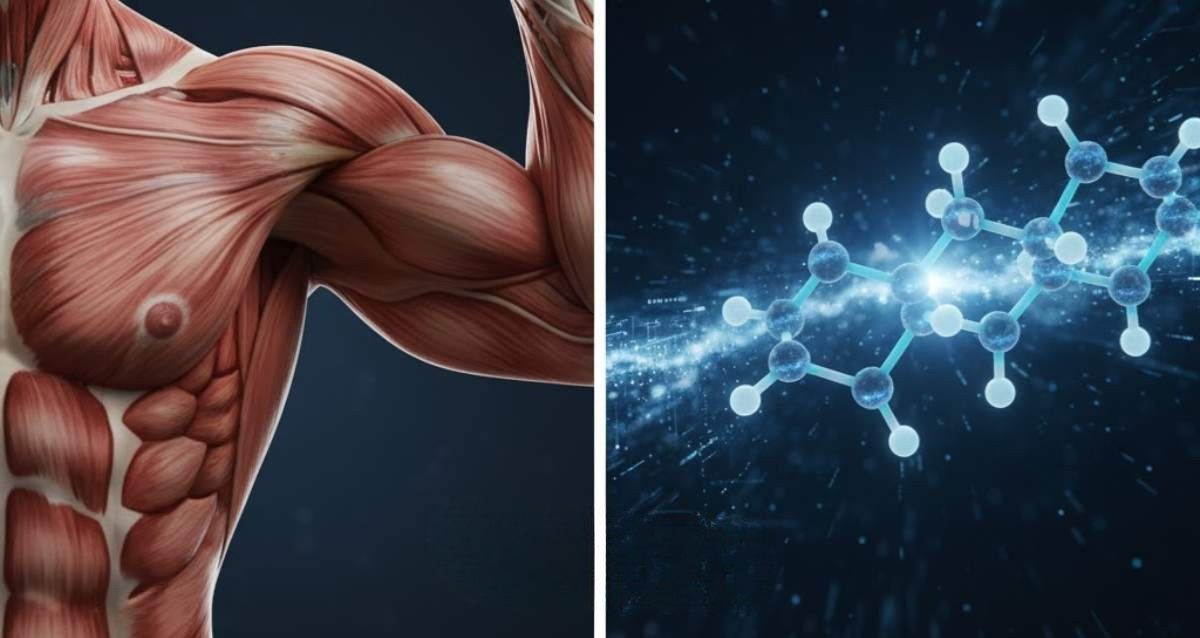
In the world of health and nutrition, the words “peptides” and “proteins” come up a lot.
It’s important to know the difference between the two because it can change how you think about health.
Peptides are shorter chains of amino acids that make up proteins. Proteins are much bigger and more complex than peptides.
This guide from www.peptidepro.co.uk talks about the science behind peptides and proteins, their benefits, and the main differences between them.
It explains how they can help your muscles grow and recover, slow down ageing, and boost your immune system.
Knowing how to use these compounds can help you get better results if you want to get healthier or perform better as an athlete.
What Are Peptides?
Peptides are short chains of amino acids (usually 2 to 50) that are held together by peptide bonds.
You can think of them as tiny proteins that do specific things in the body.
Peptides function as signalling molecules in systems like the endocrine, nervous, and immune networks, according to Drug Discovery Today (Fosgerau & Hoffmann, 2015).
Some Important Things About Peptides
-
The skin and gut absorb smaller molecules more quickly.
-
You can make them in a lab or find them in nature, like insulin.
-
They control hormones, help the immune system, repair muscles, and make skin look younger.
1. Peptides Are Good for Your Skin and Can Help You Look Younger
Peptides help make collagen and elastin, which make skin firmer and reduce wrinkles.
Copper peptides and Matrixyl are two common ingredients in skincare products that help fight ageing.
2. Muscles Heal and Grow
People who work out and athletes like peptides such as BPC-157 and IGF-1 analogues because they help muscles and tissues heal faster.
3. Help for the Immune System and Brain
Some peptides exhibit antioxidant and nootropic characteristics that enhance immune function and cognitive clarity (Zhang et al., Int. J. Mol. Sci., 2021).
Researchers are also looking into peptides as a treatment for metabolic, inflammatory, and degenerative diseases because they are small and work in a specific way.
What Are Proteins?
Proteins are huge, complex molecules made up of hundreds or thousands of amino acids.
Their folded 3D shapes determine what they do, and every system in your body depends on them.
The NIH says that proteins are important for “the structure, function, and regulation of the body’s tissues and organs.”
The Most Important Parts of Proteins
-
Serve as enzymes, hormones, and structural components
-
Must be broken down into amino acids before absorption
-
Take part in almost all of the body’s metabolic and physiological processes
Benefits of Proteins
1. Repair and Growth of Tissues
Essential for maintaining the health of muscles, skin, and organs, and for repairing them.
2. The Function of Enzymes and Hormones
Proteins are important because they make molecules like insulin, haemoglobin, and digestive enzymes that control metabolism and energy.
3. How Healthy Is the Immune System?
Proteins are what make antibodies and cytokines, which protect you from infections.
Where to Get Protein from Food
-
Animal products: Fish, chicken, eggs, milk, and beef
-
Plant-based foods: Lentils, tofu, beans, quinoa, and soy
The Harvard T.H. Chan School of Public Health says that people should eat different amounts depending on their age and activity level.
A Quick Comparison of Peptides and Proteins
| Feature | Peptides | Proteins |
|---|---|---|
| Size | Short chains with 2 to 50 amino acids | Chains that are longer than 50 amino acids |
| Absorption | Quickly absorbed, skips digestion | Broken down before being absorbed |
| Purpose | Targeted: repairing, hormones, and signalling | Broad: structural and enzymatic |
| Examples | BPC-157, Collagen peptides | Whey protein, Enzymes |
| Delivery | Oral, Injectable, Topical | Oral (food or supplement) |

Peptides and Proteins: What They Can Do for Your Health
1. Making Muscles Stronger and Healing Them
Peptides like creatine peptides and IGF-1 help the body make more protein, reduce inflammation, and speed up recovery after workouts.
Proteins are essential for maintaining strong and healthy muscles.
2. Skin Health and Anti-Aging
Collagen peptides make the skin more hydrated, flexible, and smooth in just a few weeks.
A 2014 study in Skin Pharmacology and Physiology found that using collagen peptides daily for four weeks made a visible improvement in skin appearance.
3. Help with the Immune System and Thinking
Bioactive peptides protect against oxidative stress and improve brain function by fighting inflammation and bacteria.
Proteins, on the other hand, are vital for metabolism and immunity because they make hormones and antibodies.
How to Get More Peptides and Proteins
Foods That Are High in Protein
-
Focus on beans, eggs, fish, lean meats, and dairy.
-
Mix plant sources together to get a full balance of amino acids.
-
Eat 20 to 30 grammes of protein per meal to get the most out of muscle building.
Taking Peptide Supplements
| Peptide Type | Goal | How to Use |
|---|---|---|
| Collagen Peptides | Skin, hair, and joints | Mix into smoothies or coffee |
| Creatine Peptides | Strength and stamina | Take before or after workouts |
| BPC-157 / TB-500 | Inflammation and healing | Injectable (with medical supervision) |
| Cognitive Peptides | Focus and energy | Oral or capsule form |
Only buy from trusted sites like www.peptidepro.co.uk, where purity, dose accuracy, and quality are guaranteed.
In the End, It’s the Best of Both Worlds
Knowing the difference between peptides and proteins can help you make a smarter wellness plan.
Proteins are the main building blocks of your body, while peptides work quickly and directly on your skin, muscles, and hormones.
Proteins are great for long-term health and strength, while peptides help you recover and rejuvenate faster.
Eating good protein and using advanced peptide supplements from www.peptidepro.co.uk can help you reach your full potential — improving recovery, enhancing skin, and keeping you healthy for the long term.
A Quick Look at the Difference Between Peptides and Proteins
-
Peptides are smaller, work faster, and are more precise.
-
Proteins are bigger, more complex, and structural.
-
Use both for complete and balanced health benefits.