

People are starting to use peptides more and more. Some say they can do everything from helping you build muscle to slowing the ageing process. But as the buzz grows, one big question remains: Are peptides safe?
There are countless products out there, so it’s important to research and find out the truth about their benefits and drawbacks.
PeptidePro believes in honesty and education. Some peptides deliver real benefits, but others might have side effects or be used incorrectly. This article explores in detail the science behind peptides, including the possible benefits and risks of using them.
Let’s go on this journey together so you can learn how to make good choices about adding peptides to your health routine.
What Peptides Are and How They Work
Peptide bonds connect short chains of amino acids, which are the building blocks of proteins. Because they usually have between 2 and 50 amino acids, they are smaller than full proteins and easier for the body to absorb.
These molecules act as hormones, enzymes, and signalling messengers that help cells communicate. Synthetic peptides mimic those found naturally and can promote muscle growth and skin repair.
Some peptides attach to specific receptors on cell surfaces, triggering a chain of biochemical reactions. Others can cross cell membranes and act within cells. This makes them highly useful for specific roles in medicine, fitness, and skincare.
Biotechnology has enabled the creation of synthetic peptides that are more stable, better absorbed, and more targeted. However, many are still being studied to confirm their safety and effectiveness.

Peptides: How They Can Help Your Health and Well-Being
Skin Health and Anti-Ageing
Peptides such as palmitoyl pentapeptide-4 (Matrixyl) boost collagen, making the skin smoother and firmer—especially important as our natural collagen production declines with age.
Studies indicate that topical peptide therapies are generally well-tolerated and enhance skin elasticity.
Healing and Muscle Growth
In fitness, peptides like GHRPs (Growth Hormone Releasing Peptides) and IGF-1 (Insulin-Like Growth Factor-1) are used to enhance muscle growth, aid recovery, and improve athletic performance. These compounds stimulate growth hormone release, increasing lean mass and speeding post-workout recovery.
Gut Health and Wound Healing
Some peptides appear to help with tissue repair:
-
BPC-157, a synthetic peptide derived from gastric juice, is being studied for its effects on digestive tract and connective tissue healing.
-
Thymosin beta-4 has been linked to faster wound and tissue recovery.
-
Antimicrobial peptides (AMPs) such as LL-37 help the immune system combat pathogens.
Common Peptides and Their Uses
Cosmetic Peptides
-
Matrixyl (palmitoyl pentapeptide-4 & palmitoyl tetrapeptide-7) – boosts collagen and elastin production.
-
Argireline (acetyl hexapeptide-8) – works like Botox to relax facial muscles and reduce expression lines.
Fitness and Performance Peptides
-
GHRP-2 and GHRP-6 – promote natural growth hormone release, aiding fat loss and muscle gain.
-
IGF-1 LR3 – a more potent form of IGF-1, encouraging muscle hypertrophy and faster recovery.
Therapeutic Peptides
-
BPC-157 – aids recovery of muscles, tendons, and intestines.
-
Thymosin beta-4 – assists in healing injuries.
-
Melittin and LL-37 – being studied for antimicrobial and immune-supporting effects.
Possible Risks and Side Effects of Peptides
Common Side Effects
Side effects vary depending on the peptide and individual response. They may include:
-
Redness or irritation at the injection site
-
Headaches
-
Dizziness or fainting
-
Digestive issues (for oral peptides)
Many peptides are not officially approved by regulatory bodies and may be sold in compounded or unregulated forms.
Purity and Contamination
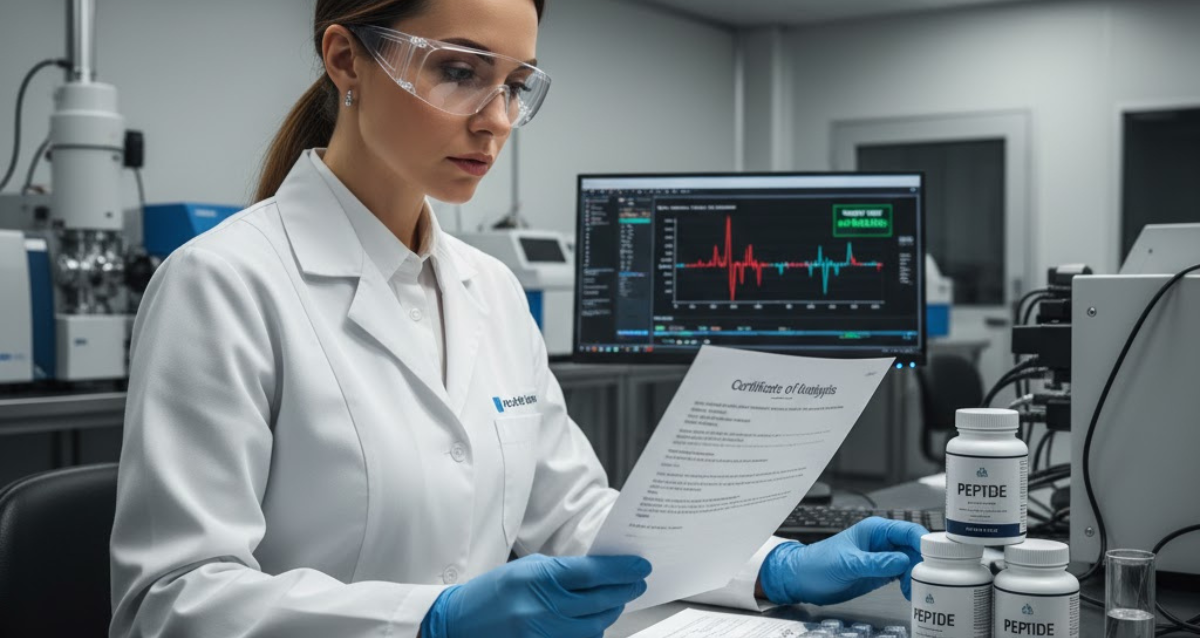
Peptides must be properly manufactured and stored. Poor-quality or contaminated products can cause infections, allergic reactions, or toxic effects. A 2022 study found that peptides from unlicensed suppliers often lacked purity and consistent quality.
Misuse and Overuse
Overuse or unsupervised administration can lead to:
-
Organ enlargement (organomegaly)
-
Insulin resistance
-
Joint pain or swelling
-
Hormonal imbalances
Unsupervised use, especially of performance peptides like IGF-1 or GHRPs, greatly increases risks. Always consult a qualified healthcare professional before starting peptide therapy.
Research and Studies on Peptide Safety
Extensive research has examined peptide safety in dermatology, endocrinology, sports medicine, and regenerative therapy.
For example:
-
Palmitoyl pentapeptide-4 improves skin elasticity and reduces wrinkles with minimal side effects.
-
GHRPs and IGF-1 enhance fitness and recovery, but long-term use can increase the risk of insulin resistance, joint strain, and cardiovascular issues.
-
BPC-157 and Thymosin beta-4 show potential for tissue regeneration, though more large-scale human trials are needed.
Legal and Regulatory Insights
FDA (United States)
-
Pharmaceutical peptides must undergo clinical trials to prove safety and effectiveness and usually require a prescription.
-
Cosmetic peptides don’t need pre-market approval but must follow safety and labelling laws under the Federal Food, Drug, and Cosmetic Act.
EMA and European Commission (EU)
-
The European Medicines Agency (EMA) oversees therapeutic peptides and demands full clinical data before approval.
-
Under Regulation (EC) No 1223/2009, cosmetic peptides must meet safety, registration, and labelling standards.
As research expands, regulations worldwide continue to evolve, creating stricter controls and clearer product classifications.
How to Pick Safe Peptide Products
Step 1: Research the Manufacturer
Choose brands that follow Good Manufacturing Practices (GMP) and provide:
-
Certificates of Analysis (CoAs)
-
Batch purity and potency data
-
Transparent ingredient sourcing
Step 2: Understand Delivery Methods
Peptides come in various forms:
-
Injectables – high bioavailability but higher risk of local reactions.
-
Topicals – ideal for cosmetics but with limited skin penetration.
-
Oral supplements – convenient but less efficient due to digestion.
Step 3: Consult a Medical Professional
A qualified expert can:
-
Review your medical history
-
Recommend suitable peptides
-
Monitor for side effects and adjust dosage
Avoid buying from unregulated online sellers. Their products may contain contaminants and lack quality testing.
Expert Opinions
Dermatologists – Agree peptides improve skin texture, elasticity, and hydration, though results depend on formulation and delivery.
Endocrinologists & Sports Medicine Doctors – Acknowledge peptide benefits for muscle growth and recovery but warn of hormonal and metabolic side effects when misused.
Pharmacologists & Researchers – Call for more clinical trials and public awareness to counter misinformation and unsafe underground markets.
Finding the Right Balance: Hope and Caution
Peptides can offer incredible health and wellness benefits—from muscle development and wound healing to immune support. Used wisely, they can form part of a complete wellness plan.
However, misuse, poor sourcing, or lack of medical supervision can lead to side effects or contamination. Responsible, informed use is essential.
At PeptidePro, we prioritise transparency, safety, and product quality.

How to Use Peptides Safely
-
Choose reputable brands – Ensure third-party testing and clear Certificates of Analysis.
-
Stick to recommended dosages – More isn’t always better, especially with hormone-affecting peptides.
-
Consult a professional – Get medical guidance tailored to your health history and goals.
-
Stay informed – Follow new research and evolving regulations to make educated choices.
Moving Forward Responsibly
The peptide industry is evolving rapidly. Staying informed through reliable organisations like the FDA, EMA, and peer-reviewed journals helps you avoid hype and misuse.
Peptides have vast potential—but only when used responsibly and backed by science. With education, quality products, and expert guidance, you can use peptides safely to improve your health.
If you have any questions about peptides, product quality, or safe use, contact us at info@fatlosspens.com. We’re committed to honesty, safety, and helping you make informed decisions.