
The Ultimate Guide to Peptides and How They Can Help You Get Stronger
Bodybuilders are always looking for new ways to get bigger muscles. Peptides are tiny molecules that can have a big effect on how well you build muscle, recover, and perform in general. They are one of the biggest advances in science.
What are peptides, and how can they change the way you build muscle? We’ll talk about how peptidepro work, what makes them different, and how they can help you get the most out of your workouts in this guide. No matter how long you’ve been working out, learning about peptides could be the key to getting your best body yet.
What Are Peptides?
Peptides are short chains of amino acids that make up proteins. Most of the time, these chains are made up of 2 to 50 amino acids. They are very important for biological processes like controlling hormones, healing tissues, and fighting off infections.
Peptides are easier for the body to absorb because they are smaller than full proteins. With modern biotechnology, it’s possible to make some peptides that mimic or enhance natural biological functions. These peptides can help your muscles heal, grow back, and lose weight.
Bodybuilders love peptides for building muscle because they can:
-
Get growth hormone (GH) out
-
Make muscles heal faster
-
Get better at recovering
-
Lessen swelling
How Peptides Speed Up Muscle Growth
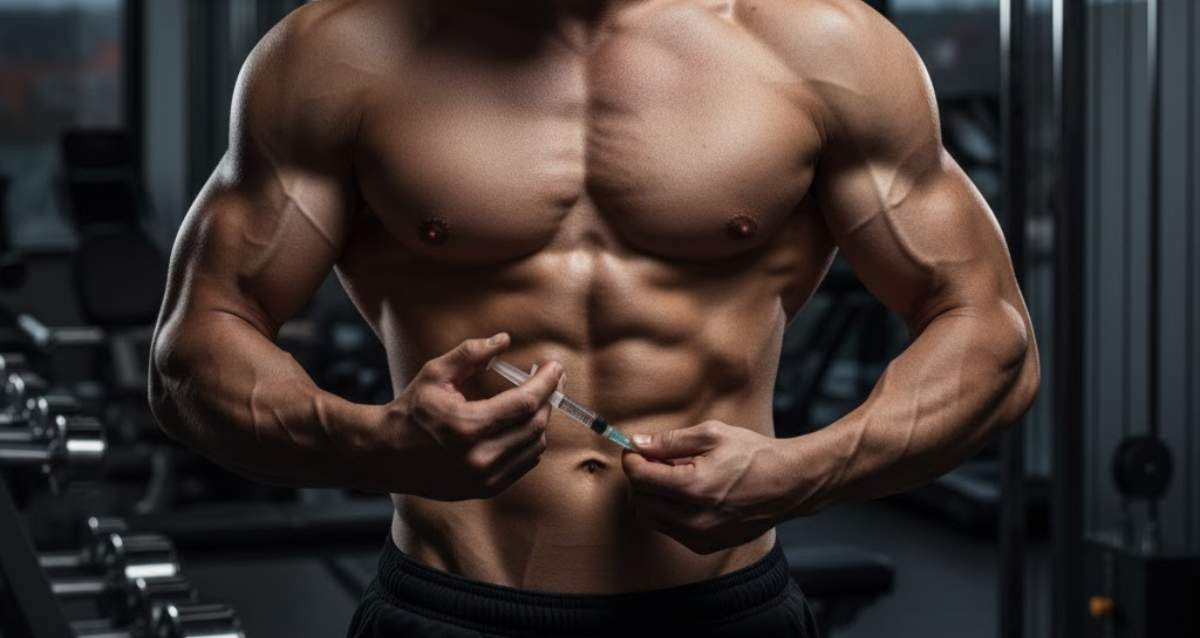
Peptides help the body make two important hormones: insulin-like growth factor-1 (IGF-1) and growth hormone (GH). These hormones help you make proteins, build muscle, and break down fat.
The most important ways are:
-
Making GH come out with GHRPs and GHRHs
-
IGF-1 and MGF can help muscle cells grow back
-
Getting more blood and nutrients to the body
-
Lowering inflammation to help the body heal faster
These systems work together to make an anabolic environment that is great for building muscle and endurance over time.
1. Growth Hormone-Releasing Peptides (GHRPs)
Examples: Ipamorelin, GHRP-2, GHRP-6
They attach to ghrelin receptors to release GH, which speeds up recovery, helps you lose fat, and builds lean muscle.
2. Growth Hormone-Releasing Hormones (GHRHs)
Examples: CJC-1295, Sermorelin
Most of the time, people use them with GHRPs to make more GH. CJC-1295 has a long half-life, which makes it great for building muscle over time.
3. IGF-1 (Insulin-Like Growth Factor-1)
Variants: IGF-1 LR3, DES IGF-1
IGF-1 helps the body directly absorb nutrients and build muscle protein. IGF-1 LR3 lasts longer and builds muscle more effectively.
4. MGF (Mechano Growth Factor)
It comes out when you lift weights and helps repair and rebuild muscle fibres.
5. BPC-157
Known for its ability to heal and reduce swelling. It helps muscles, tendons, and ligaments heal faster, allowing you to work out more often.
6. Thymosin Beta-4 (TB-500)
It helps the body get more oxygen, speeds up healing, and makes new blood vessels grow.
Peptides Help Build Muscle by Giving You More Strength and Helping Your Muscles Grow
Peptides raise the levels of GH and IGF-1, which helps muscles grow bigger, get stronger, and make more protein.
Quicker Recovery
BPC-157 and TB-500 speed up the healing of muscles and connective tissue, which lets you train harder more often.
Getting Rid of Fat and Making the Body More Fit
GHRP-6 and Ipamorelin speed up the metabolism, helping the body burn fat while keeping muscle.
More Power and Endurance
Peptides make oxygen work better, so you can work out harder and longer.
The Health of Tendons and Joints
Peptides that help heal connective tissues make them stronger, helping you avoid getting hurt and making it easier to move around.
Possible Side Effects and Risks
Most people can handle peptides, but if you don’t use them right, they can cause:
-
Hormones that are out of balance
-
Water retention
-
Pain at the injection site
-
Allergic reactions
Always use peptides safely and only with the help of a qualified medical professional.
How to Use Peptides Safely and Effectively
-
Before starting any peptide plan, you should talk to a doctor.
-
Choose the right peptides based on your goals, such as losing weight, getting stronger, or healing.
-
Change where you give the shot and stick to the right schedule.
-
Peptides can help you get better results, but they won’t do the work for you. Use them with a healthy diet and regular exercise.
-
Keep an eye on things and only make changes when someone tells you to.
How Peptides and Other Muscle-Building Supplements Work and When to Take Them
| Supplement | Main Function | Best Use |
|---|---|---|
| Protein (Amino Acids) | Helps muscles heal | Post-workout recovery |
| Creatine | Boosts ATP energy and strength output | Pre- and post-workout |
| BCAAs | Stops muscles from breaking down | During workouts |
| Pre-Workouts | Increases energy and focus | Before workouts |
| Peptides | Starts anabolic hormone activity | Long-term growth and repair |
The Future of Peptides in Bodybuilding: A Summary
People are using peptides to build muscle in new ways to get better at what they do. They are the next step in bodybuilding science because they help repair lean tissue, speed up recovery, and boost natural hormone pathways.
If you use peptides in a smart and ethical way, they can help you train harder, recover faster, and get the body you’ve always wanted.
Visit peptidepro.co.uk to see all of the research-grade peptides they have. To get the best results, this is what you need to do next.